
Mental Health Treatment

Online PTSD Treatment in Austin, Texas

PTSD can make daily life feel overwhelming, affecting your thoughts, behavior, and mental health. At Texas Mental Health Services, we provide online PTSD treatment in Austin, Texas to help you manage stress, anxiety, and trauma from the comfort of your home. Our virtual therapy and counseling services are designed to be accessible, supportive, and personalized so you can begin healing, build coping skills, and take back control of your life.
Understanding The Condition

What is PTSD?

Post-traumatic stress disorder (PTSD) is a mental health condition that can happen after a person goes through a scary or painful event. This can include childhood trauma, accidents, abuse, war, or loss. Many people with PTSD feel stress, anxiety, fear, or sadness long after the event is over. Their mind and body stay on alert, even when they are safe.

PTSD can affect your thoughts, behavior, and daily life. It may make it hard to sleep, focus, or feel calm. Some people may also feel anger, grief, or dissociation, which means they feel disconnected from themselves or the world around them.

At Texas Mental Health Services, we offer online PTSD treatment in Austin, Texas. Our virtual programs are designed to be accessible, supportive, and guided by trained mental health professionals. We help people heal, build coping skills, and regain control of their lives.
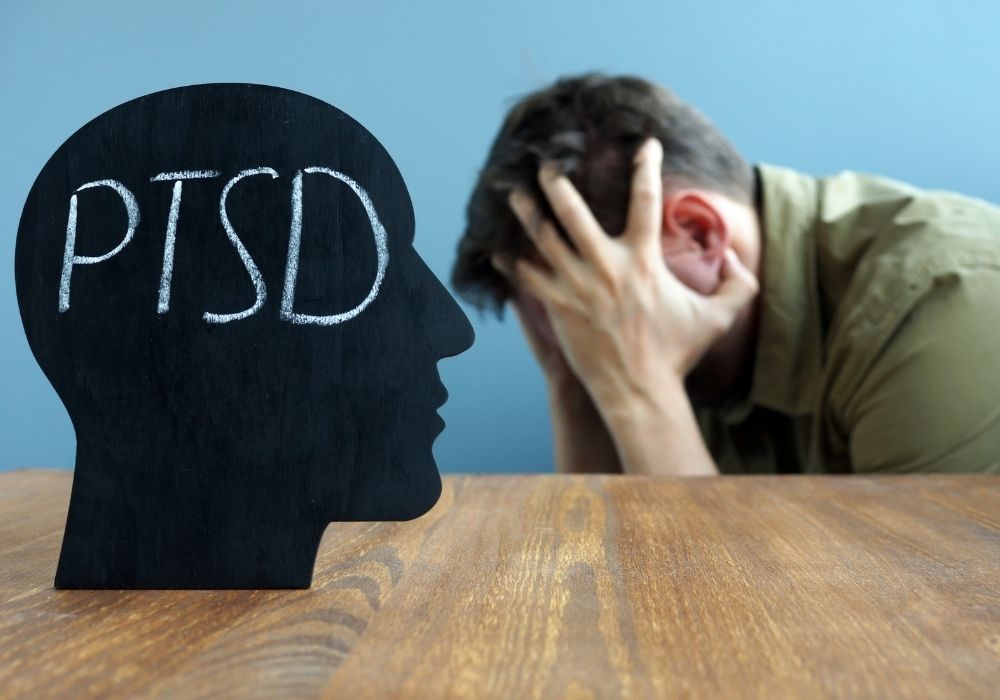
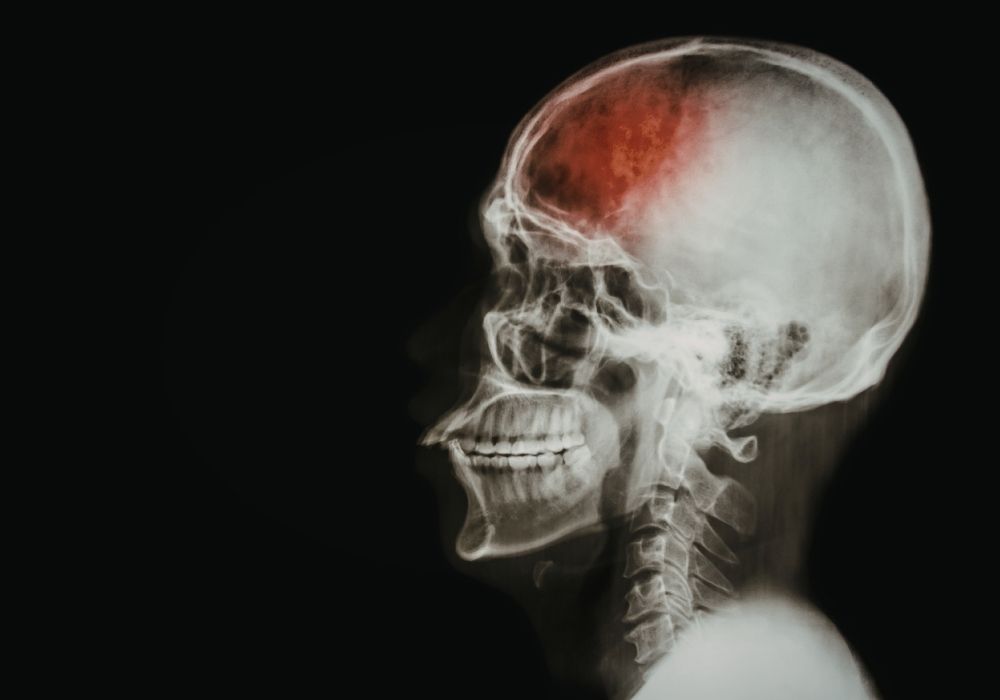
person with ptsd
Symptoms

Symptoms of PTSD

PTSD symptoms can look different for each person, but they often fall into a few main areas.

Re-experiencing the Trauma

People may relive the event through flashbacks, nightmares, or unwanted thoughts. These moments can feel very real and cause strong stress or fear.
avoidance behavior

Avoidance Behavior

Some people try to avoid places, people, or situations that remind them of the trauma. This behavior can make life feel smaller and more limited over time.
mood changes

Mood and Thinking Changes

PTSD can affect how a person thinks and feels. They may feel sad, guilty, or numb. It can also be hard to trust others or feel close in relationships, including with a parent or partner.
physical reactions

Physical and Emotional Reactions

People may feel jumpy, angry, or always on edge. Stress management becomes harder, and the body may react strongly to small triggers.
Types

Types of PTSD

There are different types of PTSD, and understanding them can help guide the right treatment plan.

Acute PTSD

This type happens shortly after a traumatic event and lasts less than three months. Early therapy and counseling can help prevent symptoms from getting worse.

Chronic PTSD

Chronic PTSD lasts longer than three months and may continue for years if not treated. It often needs ongoing therapy and support.

Complex PTSD

This type is linked to repeated trauma, such as childhood trauma or long-term abuse. It can affect relationships, emotional control, and self-image.

PTSD with Dissociation

Some people experience dissociation along with PTSD. They may feel detached from their body or reality, which can make daily life harder.

PTSD in Veterans and Special Groups

Veterans, parents, and people with neurodiversity may experience PTSD in unique ways. Personalized care and psychological evaluation are important for proper treatment.


Therapy Options

Treatment Options for PTSD

There are many ways to treat PTSD, and the best plan depends on the person’s needs.
Therapy and Counseling (1)

Therapy and Counseling

Therapy is one of the most effective ways to treat PTSD. A mental health professional works with you to understand your thoughts, feelings, and behavior. Counseling helps you process trauma and build coping skills.
Dialectical Behavior Therapy

Dialectical Behavior Therapy (DBT)

Dialectical behavior therapy focuses on emotional control, stress management, and healthy relationships. It helps people manage strong emotions like anger and anxiety.
Trauma-Focused Therapy

Trauma-Focused Therapy

This type of therapy helps people safely face and process their trauma. Techniques like desensitization can reduce the emotional impact of painful memories.
medication support

Medication Support

In some cases, medication can help manage symptoms like anxiety, depression, or sleep problems. A provider may include medication as part of a full treatment plan.
couples therapy

Couples Therapy

PTSD can affect relationships. Couples therapy helps partners understand each other and build stronger communication and support.
Virtual and Online Services

Virtual and Online Services

Online therapy makes treatment more accessible. You can attend sessions from home, making it easier to stay consistent and comfortable.

Our Admissions Process

Step 1

Contact Us

Call, text, email, or submit a form to get in contact with our mental health treatment experts.

Step 2

Verify Insurance

We work with most PPO insurance policies. We’ll work quickly to verify your benefits.

Step 3

Start Treatment

Our treatment schedules vary from 3-5 days a week depending on the level of care.

Insurance Coverage

How Much Does Online PTSD Treatment Cost in Austin?

Understanding the cost of therapy is important when starting treatment.

At Texas Mental Health Services, we work with many insurance providers to help make care more affordable. Our team can guide you through your insurance benefits and explain what is covered.

We also offer flexible options to make therapy more accessible. During your consultation, we will review your coverage and help you understand your choices.

Getting help for PTSD is an investment in your health, your future, and your peace of mind.

Texas Mental Health Services

Why Choose Us for PTSD Treatment

Choosing the right provider is important for your mental health journey.

Experienced Mental Health Professionals

Our team includes trained experts in psychology, trauma care, and counseling. We understand how PTSD affects the mind and body.

Accessible Online Care

Our virtual services make treatment easy to access from anywhere in Austin, Texas. You can schedule sessions that fit your life.

Personalized and Compassionate Care

We treat every person with respect and care. Your treatment plan is built just for you.

Whole-Person Approach

We look at all parts of your health, including stress, relationships, and emotional well-being.

Support for All Backgrounds

We support people with different experiences, including veterans, parents, and those with neurodiversity or postpartum depression.

Results

What Results Look Like

Healing from PTSD is possible, and many people see real changes with the right support. You may also feel more connected to yourself and others. The mind begins to feel calmer, and daily life becomes easier to manage. Progress can take time, but with the right therapy, support, and motivation, recovery is within reach.

Less anxiety and stress

Better sleep and focus

Improved relationships

More control over your emotions

Frequently Asked Questions About PTSD

Online PTSD treatment is virtual therapy that helps people manage trauma, stress, and mental health symptoms from home using video sessions.
You can schedule a consultation online or by contacting Texas Mental Health Services to find a time that works for you.
Many insurance plans cover PTSD treatment. Our team will help you understand your coverage and options.
Yes, online therapy is proven to be effective. It offers the same support as in-person care with added accessibility.
Yes, PTSD can impact relationships. Therapy, including couples therapy, can help improve communication and emotional connection.

Finding the right care can feel overwhelming, but you don’t have to face it alone. Texas Mental Health Services is here to guide you with compassion, expertise, and personalized support every step of the way. Our approach follows national guidelines and research from trusted organizations like SAMHSA, NIMH, and NIDA to ensure evidence-based, effective treatment for every client.